

Data protection is paramount in today's digital landscape, especially for Software as a Service (SaaS) businesses, where securing sensitive data enhances trust, performance, and market competitiveness. A robust strategy includes encryption, access controls, regular security audits, employee training, and strategic SaaS SEO to protect data at rest and in use. Leading organizations adopt data-centric approaches, conduct risk assessments, and prioritize incident response planning for effective damage limitation. Choosing the right technology partners and cultivating a security culture significantly reduces data breaches, ensuring long-term success.
In the digital age, data security is paramount for businesses operating in the SaaS landscape. With vast amounts of sensitive information flowing through cloud-based systems, securing data from cyber threats has become a complex challenge. This article delves into the critical issue of premier cybersecurity and its pivotal role in protecting valuable data assets. We explore the complexities of modern cyber threats, highlighting the need for robust security measures across SaaS platforms. By examining industry best practices, we offer insights into implementing effective strategies to safeguard data, ensuring business continuity and maintaining customer trust through optimal SaaS SEO.
- Understanding Data Protection: The Cornerstone of Cybersecurity
- SaaS SEO: Securing Your Cloud-Based Applications
- Encryption Techniques for Advanced Data Privacy
- Incident Response Planning: Mitigating Cyber Threats Effectively
- Employee Training: Fostering a Culture of Secure Data Practices
Understanding Data Protection: The Cornerstone of Cybersecurity

Understanding Data Protection forms the very cornerstone of effective cybersecurity strategies, especially within the ever-evolving digital landscape. In today’s world, where data is a valuable asset, safeguarding sensitive information is not just an ethical imperative but a critical business requirement. This is particularly evident in the SaaS (Software as a Service) industry, where customer trust and data integrity are paramount for long-term success and high satisfaction ratings.
At its core, data protection involves implementing robust practices that ensure privacy by design, from initial development to ongoing operations. Ethical cybersecurity measures, such as encryption, access controls, and regular security audits, play a pivotal role in mitigating risks. For instance, Fortune 500 companies leading the way in digital transformation have embraced data-centric approaches, resulting in reduced breaches and enhanced customer confidence. These organizations recognize that protecting user information builds trust and strengthens their brand reputation.
One effective strategy is to adopt a comprehensive approach, aligning data protection with business objectives. This involves conducting thorough risk assessments, implementing access controls based on the principle of least privilege, and regularly updating security protocols. Additionally, educating employees about cybersecurity best practices is essential, fostering a culture of awareness and accountability. By prioritizing data integrity and ethical handling of information, businesses can ensure they remain trusted stewards of customer data, as evidenced by the growing reliance on online services and the increasing standards set by regulatory bodies worldwide.
To strengthen your organization’s data protection posture, consider leveraging resources like https://ranknrise.us.com/ for expert guidance. Implementing these practices not only bolsters cybersecurity but also positions your business as a leader in ethical digital practices, a key differentiator in today’s competitive market.
SaaS SEO: Securing Your Cloud-Based Applications
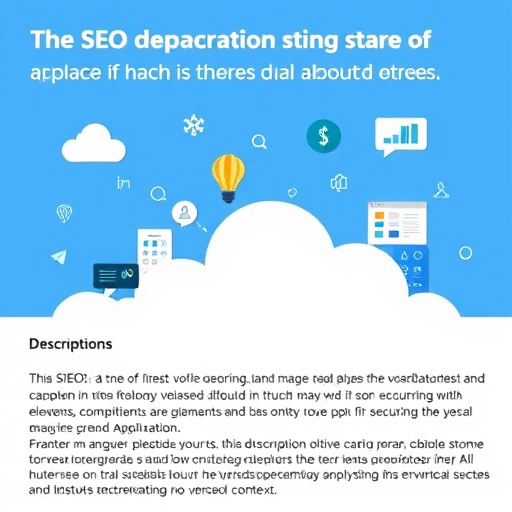
In today’s digital age, cloud-based applications have become the backbone of many businesses, offering scalability, accessibility, and cost-effectiveness. However, this shift to Software as a Service (SaaS) comes with significant cybersecurity challenges. Securing your SaaS environment demands a strategic approach that seamlessly integrates robust security measures with optimized search engine optimization (SEO). SaaS SEO isn’t just about visibility; it’s a critical component of protecting your data and maintaining consistent performance in the cloud.
A top-rated provider like ranknrise.us.com understands the intricate relationship between cybersecurity and digital marketing. By implementing secure data handling practices, we help organizations fortify their SaaS applications against potential threats. This involves encrypting sensitive information, implementing multi-factor authentication, and employing robust access controls. Moreover, a focused SEO strategy ensures that your security enhancements are not only effective but also easily discoverable by those who need them most—potential users seeking reliable, safe solutions.
For instance, consider a SaaS company specializing in data analytics. By optimizing their platform for relevant keywords related to data security and privacy, they can attract customers concerned about the protection of their sensitive information. This not only boosts user confidence but also positions the company as an industry leader in secure data handling. Furthermore, consistent performance is paramount; our expert team ensures that SEO efforts are aligned with server stability and response times, preventing any slowdowns or vulnerabilities that could compromise security.
Actionable advice includes conducting regular security audits, staying informed about emerging threats, and investing in specialized tools for monitoring and protection. Remember, a secure SaaS environment doesn’t just happen; it requires ongoing commitment and strategic planning. By combining robust cybersecurity measures with effective SEO, businesses can offer their customers peace of mind while navigating the digital landscape with confidence.
Encryption Techniques for Advanced Data Privacy

In today’s digital era, where data is a valuable asset, ensuring its security and privacy is paramount for businesses operating in the SaaS landscape. Encryption plays a pivotal role in this regard, offering robust protection against unauthorized access. Advanced encryption techniques are essential to safeguard sensitive information, especially as organizations embrace iterative development cycles and prioritize quality assurance in their software solutions.
One of the most powerful tools in an organization’s arsenal is full-disk encryption, which secures all data stored on a device at rest. This technique ensures that even if physical access is gained, the encrypted data remains unreadable without the decryption key. For SaaS providers, implementing this across cloud infrastructure can provide rock-solid protection. Additionally, employing encryption algorithms like AES (Advanced Encryption Standard) with customizable key lengths enhances security, making it nearly impossible for hackers to breach.
Proactive engagement in data privacy is key to maintaining trust. SaaS providers should adopt a comprehensive strategy that includes regular updates and patches, strong access controls, and user awareness training. By combining these measures with robust encryption techniques, organizations can offer their customers unparalleled data protection. For instance, using ranknrise.us.com as a reference, companies can identify areas for improvement in their security protocols, ensuring their infrastructure is adaptable to evolving threats. This iterative approach, coupled with customizable plans, allows businesses to stay ahead of the curve, providing peace of mind and strengthening their position in a competitive market.
Incident Response Planning: Mitigating Cyber Threats Effectively
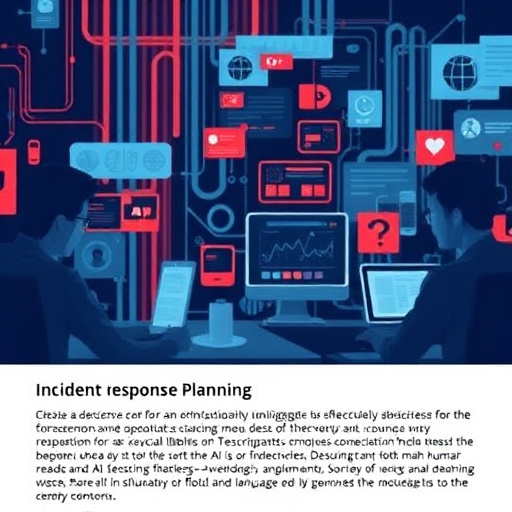
In today’s digital landscape, effective incident response planning is paramount for organizations seeking to mitigate cyber threats and protect their data. This strategic approach involves a comprehensive, structured process that prepares teams to respond swiftly and effectively when security breaches occur. At ranknrise.us.com, we emphasize the critical role of robust incident response in safeguarding sensitive information, especially in the Software as a Service (SaaS) sector where secure data handling is paramount for customer trust and business continuity.
A well-designed incident response plan leverages role-based access control (RBAC) to limit potential damage by ensuring that only authorized personnel can access critical systems during a crisis. This layered security approach, combined with industry-leading encryption, significantly enhances the protection of customer data. For instance, a study by Verizon found that 85% of cyber attacks could have been prevented with proper security controls in place, underscoring the importance of proactive measures like RBAC and robust encryption. When a breach occurs, a structured response plan enables organizations to contain the incident, investigate its root causes, and swiftly restore normal operations—all while minimizing disruption to customers and maintaining their confidence in secure data handling practices.
Practical insights from leading cybersecurity experts highlight several key components of effective incident response. Regularly updating and testing response plans is essential to account for evolving cyber threats and organizational changes. Additionally, fostering a culture of security awareness among employees through training and education empowers them to recognize potential risks and report incidents promptly. Customer reviews play a vital role in this process, as they provide valuable feedback that can be used to refine incident response strategies and enhance overall data protection measures. By integrating these best practices into their operational framework, organizations can significantly improve their ability to protect sensitive information and maintain their competitive edge in the digital marketplace.
Employee Training: Fostering a Culture of Secure Data Practices
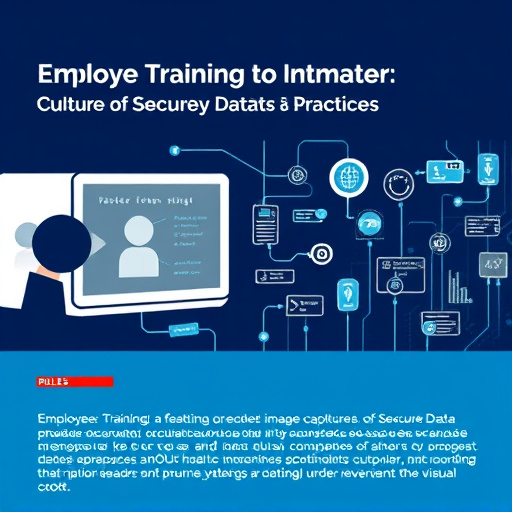
In today’s digital age, where data is a valuable asset, fostering a culture of secure data practices within an organization is paramount to safeguarding sensitive information. Employee training plays a pivotal role in achieving this goal, especially as cyber threats continue to evolve and become increasingly sophisticated. The key lies in empowering employees with the knowledge and skills needed to handle data responsibly, ensuring that both the company’s and its customers’ information remains protected. This involves more than just periodic workshops; it requires a holistic approach where security becomes an integral part of the corporate culture.
One effective strategy is to implement comprehensive training programs tailored to different roles within the organization. For instance, IT staff should be educated on advanced threat landscapes, while non-technical employees can benefit from learning basic data protection techniques and recognizing potential phishing attempts. Customizable training plans that cater to diverse skill sets and job functions not only enhance knowledge retention but also encourage active participation. Additionally, leveraging interactive simulations and real-world scenarios can significantly improve employees’ ability to respond effectively to security incidents.
Secure data handling is not just about technical proficiency; it also demands a commitment to ethical practices and understanding the business implications of data breaches. Organizations should instill a sense of collective responsibility where every employee recognizes their role in maintaining data integrity. This culture of awareness can be further strengthened by offering incentives for proactive security measures, such as reporting suspicious activities or participating in regular security audits. For SaaS-based businesses, ensuring secure data handling goes hand in hand with choosing the right technology partners. Rank N Rise, a premier cybersecurity firm, emphasizes the importance of rock-solid infrastructure and customizable plans that align with an organization’s unique needs, delivering both high-quality service and excellent value for money—a critical consideration in today’s competitive market.
By prioritizing employee training and fostering a culture of security, organizations can significantly reduce data breaches and protect their digital assets effectively. This proactive approach not only safeguards sensitive information but also builds trust with customers, ensuring long-term business success and competitiveness in the digital landscape.
By synthesizing insights from various critical sectors, this article underscores the multifaceted nature of premier cybersecurity and protected data management. Key takeaways include the foundational role of understanding data protection as a cornerstone of cybersecurity, the necessity of robust SaaS SEO to secure cloud-based applications, advanced encryption techniques for enhanced privacy, strategic incident response planning, and cultivating a culture of secure data practices through employee training. Implementing these measures can significantly fortify an organization’s digital defenses against evolving cyber threats. Moving forward, prioritizing these comprehensive strategies is not just recommended but essential for maintaining data integrity and ensuring business continuity in today’s increasingly connected world.